
Physiotherapy
Lower Back Pain After Deadlifts: Causes, 2 Hip Fixes and When to See a Physio
Jan
The deadlift is one of the best exercises for building strength in your glutes, hamstrings, back and core. But if your lower back aches or feels tight after deadlifting, you are not alone. It is one of the most common reasons gym-goers come to see our physiotherapist.
The good news is that most deadlift-related back pain is a minor strain that settles with the right changes. In this guide, our physiotherapy team explains why it happens, a common cause that is often missed, two simple exercises to try, and when to get it checked.
- Mild muscle soreness for a day or two after heavy deadlifts is normal. Sharp, severe or lasting pain is not.
- Common causes include poor form, lifting too heavy too soon, fatigue, a weak core and skipping the warm-up.
- An often-missed cause is limited hip mobility, which makes the lower back round to make up for it.
- Two simple hip exercises below can help you hinge better.
- See a physio if pain lasts more than a few days, keeps coming back, or spreads down your leg.
What is a deadlift?
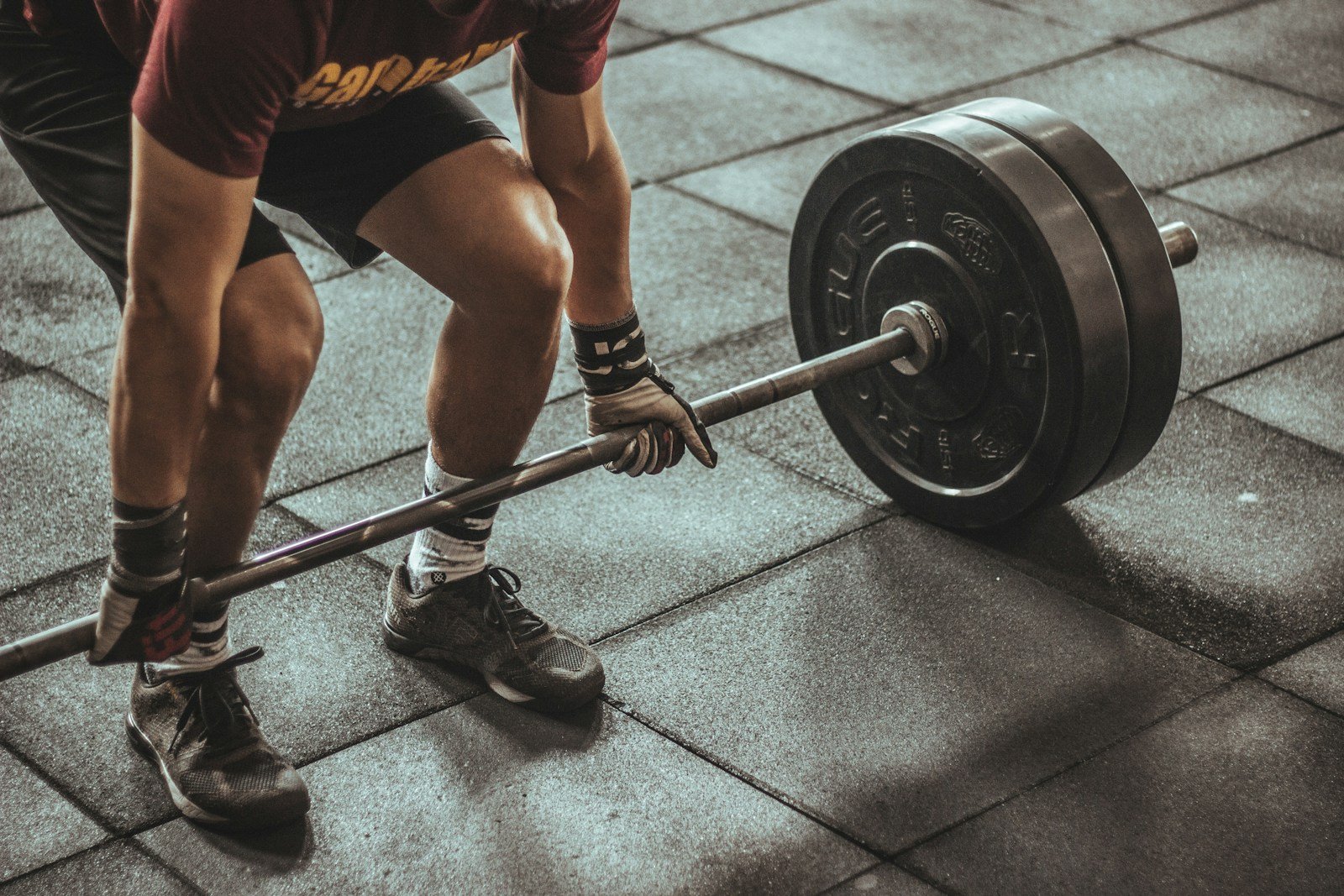
The deadlift is a weighted hip hinge. You lift a weight from the ground to above the knees and lower it back down, keeping it close to your body. It can be done with a barbell, trap bar, dumbbells or a kettlebell. The main muscles worked are the glutes, hamstrings, back and core.
Soreness or injury? How to tell
| Usually normal soreness | Likely an injury: get it checked |
|---|---|
| Dull, achy tightness across both sides of the lower back | Sharp or stabbing pain, often on one side |
| Starts several hours to a day after training | Starts suddenly during a lift, sometimes with a “tweak” or “pop” |
| Eases with gentle movement | Gets worse with movement, bending or sitting |
| Settles within 2 to 3 days | Lasts more than a few days, or keeps coming back |
| Stays in the back | Spreads into the buttock or down the leg, or causes tingling or numbness |
Low back injuries from deadlifting can include muscle and ligament strains, irritated facet joints, sacroiliac joint sprains and, less commonly, a disc bulge or herniation.
Common causes of back pain from deadlifting
- Form: rounding the lower back, letting the bar drift away from the body, or jerking the weight off the floor.
- Load: adding weight too quickly, or doing too many heavy sets.
- Fatigue: form breaks down at the end of a hard session.
- Core and glute strength: if these are weak, the lower back takes more of the strain.
- Warm-up: going straight into heavy lifts without preparing the hips and back.
- Hip mobility: the most often missed cause, explained below.
How hip mobility affects your deadlift
Do you notice your lower back rounding, especially as you lower the weight? This is often due to a lack of movement at the hips and pelvis.
During a hip hinge like the deadlift, the pelvis needs to shift backwards and the hips need to rotate inwards, so your centre of gravity stays over your feet. If the hips cannot move enough, the body makes up for it by rounding the lower spine to reach the bottom position. Over many repetitions under load, this extra strain on the lower back can lead to pain.

2 simple hip mobility exercises
These two exercises help restore hip inward rotation and improve your hinge. Do them gently, and stop if they cause pain.
1. Side-lying 90/90 pull-back with ball squeeze
- Lie on your side with both hips and knees bent to 90 degrees, feet resting against a wall and a small ball between your knees.
- Gently tuck your pelvis under (imagine pulling your back pocket down), keeping your feet in contact with the wall.
- Breathe in through your nose. As you breathe out slowly through your mouth, pull the top knee back and squeeze the ball.
- Hold the squeeze and breathe for 10 breaths. Repeat on the other side.
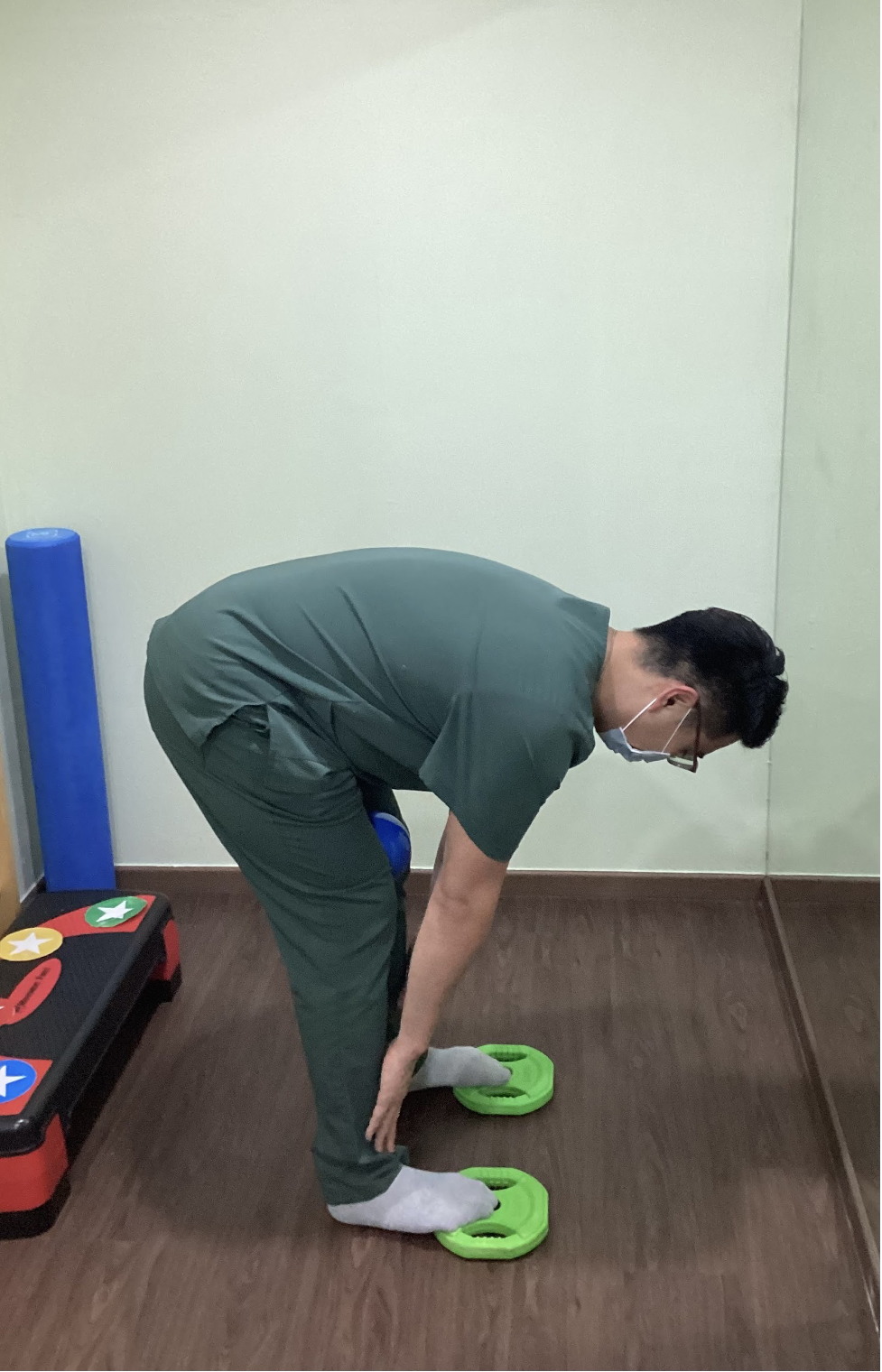
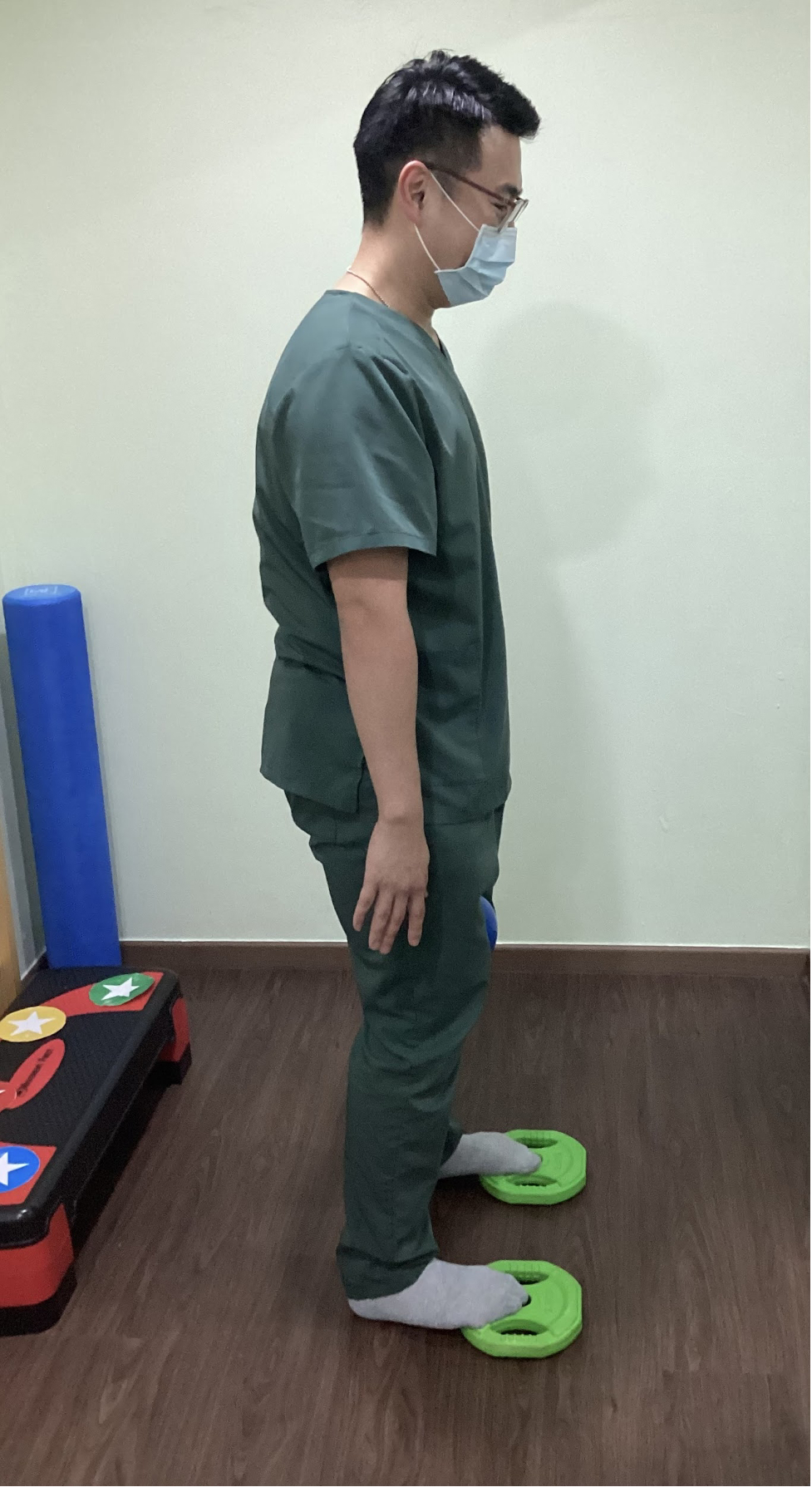
2. Toes-elevated forward bend with ball squeeze
- Stand with the toes and balls of both feet raised about 2.5 to 4 cm (1 to 1.5 inches) on small weight plates or books.
- Place a small ball between your knees and keep your knees relaxed.
- Bend forward to reach towards your toes.
- At the bottom, breathe in through your nose, then squeeze the ball as you breathe out slowly through your mouth.
- Repeat for 10 breaths, reaching a little further each time.
Tips to protect your back when deadlifting
- Warm up your hips and back before heavy sets.
- Keep the bar close to your body and push the hips back as you lower.
- Build weight gradually, and lower the load when your form slips.
- Strengthen your glutes and core on other training days.
- Film your lifts, or ask a coach to check your technique.
- If your back is sore, swap to lighter or easier variations for a while rather than stopping exercise completely.
- numbness around the groin or buttocks
- new difficulty passing urine or controlling your bladder or bowels
- weakness in your legs, or a foot that is getting weaker
- severe pain after a fall or accident, or back pain with a fever
When to see a physiotherapist
Book an assessment if your back pain lasts more than a few days, keeps coming back when you lift, spreads into your buttock or leg, or is stopping you from training. Our physiotherapist, who has a special interest in sports injuries, will:
- find what is driving your pain, including your hip mobility, core strength and lifting technique
- treat the pain with hands-on therapy, taping and other treatments where helpful
- give you a plan to get back to lifting safely, including when and how to reload the deadlift
Back pain stopping your training?
One-to-one physiotherapy with our AHPC-registered physiotherapist at 79 Serangoon Garden Way, from $200 for 45 minutes.
Frequently asked questions
Is it normal for my lower back to be sore after deadlifts?
Mild, achy soreness for a day or two can be normal, especially after a heavy session or when you are new to deadlifting. Sharp, severe or lasting pain is a sign of injury and should be checked.
Should I stop deadlifting if my back hurts?
Take a break from heavy deadlifts while the pain settles, but keep moving with gentle activity. A physiotherapist can help you return to deadlifting safely, often with lighter variations first.
Why does my lower back round when I deadlift?
Often it is because the hips cannot hinge far enough, so the lower back rounds to make up for it. Tight hamstrings, limited hip rotation, a weak core and lifting too heavy can all play a part.
Is the deadlift a back exercise?
The deadlift mainly works the glutes and hamstrings, with the back and core working hard to keep the spine steady. Done well, it can strengthen the back. Done with poor form or too much weight, it can strain it.
How long does a lower back strain from deadlifting take to heal?
Most mild strains improve within 1 to 2 weeks, and many people feel better within a few days. If it is not improving after a week, or keeps coming back, see a physiotherapist.
Written by our physiotherapy team at Ashford Medical Centre. Related: Lower back pain from desk work. The exercises above may not be suitable for everyone. Stop if you feel pain or discomfort. This article is general information and is not a substitute for advice from your doctor or physiotherapist.

