
 Download The Ashford Healthcare App Now
Uncategorized
Polynucleotide (PN) Injections for Knee Osteoarthritis: Can They Help Relieve Pain and Improve Mobility?
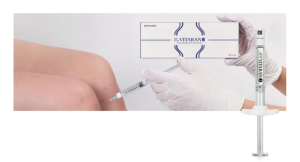
Knee pain from arthritis doesn’t have to stop you from staying active.
Knee osteoarthritis (OA) is one of the most common causes of chronic knee pain among adults in Singapore. Whether you’re walking around the neighbourhood, climbing stairs, exercising, or simply getting up from a chair, knee pain can gradually affect your mobility and quality of life.
While osteoarthritis cannot currently be cured, many people can successfully manage their symptoms and remain active with the right combination of treatments. Lifestyle modifications, exercise and physiotherapy remain the foundation of care, but some patients continue to experience pain despite these measures.
One emerging non-surgical treatment option is polynucleotide (PN) injection therapy. Although relatively new, clinical studies suggest that PN injections may help reduce pain and stiffness in selected patients with mild to moderate knee osteoarthritis.
This article explains what knee osteoarthritis is, how PN injections work, who may benefit, and what current research tells us.
What is knee osteoarthritis?
Knee osteoarthritis is a condition in which the tissues within the knee joint gradually change over time. While it was once thought to be simply “wear and tear,” we now know that osteoarthritis involves several processes, including:
- Breakdown of joint cartilage
- Changes in the underlying bone
- Mild inflammation within the joint lining (synovium)
- Changes in the joint fluid that helps lubricate the knee
- Weakening of the muscles that support the knee
Together, these changes can cause pain, stiffness and reduced movement.
Although osteoarthritis becomes more common with age, it is not an inevitable part of ageing. Many factors contribute to its development, including previous knee injuries, excess body weight, repetitive stress on the joint, family history and muscle weakness.
Common symptoms of knee osteoarthritis
Symptoms often develop gradually and may worsen over time.
Common symptoms include:
- Knee pain during or after walking
- Pain when climbing or descending stairs
- Stiffness after sitting or resting
- Morning stiffness that usually improves within 30 minutes
- Swelling around the knee
- Clicking or grinding sensations
- Reduced range of motion
- Difficulty standing from a seated position
- Reduced walking distance
- Feeling less confident when using the affected knee
Symptoms often fluctuate, with periods where the knee feels relatively comfortable followed by flare-ups of increased pain.
How is knee osteoarthritis diagnosed?
Your doctor will usually diagnose knee osteoarthritis by combining:
- A detailed discussion of your symptoms
- Medical history
- Physical examination
- Assessment of your walking pattern and knee movement
An X-ray may be recommended to confirm the diagnosis and determine the severity of arthritis. In some situations, additional imaging such as MRI may be appropriate if another knee condition is suspected.
Importantly, X-ray findings do not always match the level of pain a person experiences. Some people with mild arthritis have significant symptoms, while others with more advanced arthritis experience relatively little discomfort.
First-line treatment: Building the foundation
International and Singapore clinical recommendations consistently emphasise that conservative treatment remains the cornerstone of osteoarthritis management.
For many patients, these measures can significantly reduce symptoms:
Regular exercise
Exercise remains one of the most effective treatments for knee osteoarthritis.
A well-designed exercise programme can help:
- Strengthen the muscles supporting the knee
- Improve flexibility
- Reduce pain
- Improve balance
- Increase walking ability
Low-impact activities such as walking, cycling and swimming are often recommended.
Physiotherapy
A physiotherapist can prescribe targeted strengthening and flexibility exercises while helping improve movement patterns that reduce stress on the knee. You may read more about Ashford’s tailored physiotherapy experience.
Weight management
Even modest weight loss can substantially reduce the forces transmitted through the knee joint during walking, helping relieve symptoms.
Activity modification
Simple changes—such as avoiding prolonged kneeling, taking regular breaks during long walks, or choosing lower-impact activities—may reduce symptom flare-ups without sacrificing an active lifestyle.
Medications
Depending on your symptoms, your doctor may recommend:
- Topical anti-inflammatory gels
- Oral pain relievers
- Anti-inflammatory medications (when appropriate)
Medication is usually used alongside exercise rather than as a long-term standalone solution.
When are knee injections considered?
If pain continues despite exercise, physiotherapy and medication, injections may be considered as part of a comprehensive treatment plan.
Common injection options include:
- Corticosteroid injections
- Hyaluronic acid injections
- Platelet-rich plasma (PRP)
- Polynucleotide (PN) injections
The most appropriate option depends on factors such as:
- Your age
- Severity of arthritis
- Activity level
- Medical history
- Treatment goals
- Previous response to treatment
What are polynucleotide (PN) injections?
Polynucleotides are purified DNA fragments, commonly derived from salmon through a highly refined purification process.
When injected into the knee joint, these molecules form a viscoelastic solution that helps improve the joint environment.
Researchers believe PN injections may:
- Improve joint lubrication
- Increase cushioning within the joint
- Reduce mechanical friction during movement
- Support a healthier environment within the joint
- Help reduce pain and stiffness
Unlike painkillers, PN injections are not designed simply to mask symptoms. Their proposed benefit is to improve the conditions within the joint, potentially allowing more comfortable movement and participation in rehabilitation.
It is important to note that PN injections are not a cure for osteoarthritis, and current evidence does not support claims that they regenerate cartilage or reverse arthritis.
What does the research say?
Research into PN injections has grown over the past several years.
Clinical studies suggest that PN injections may:
- Reduce knee pain
- Improve walking ability
- Improve knee function
- Reduce stiffness
- Improve quality of life
- Be well tolerated with a favourable safety profile
Some studies have found results comparable to, or in certain cases slightly better than, hyaluronic acid injections for selected patients.
However, research is still evolving. Most published studies involve relatively small numbers of participants, and longer-term data are still being collected.
For this reason, PN injections are best viewed as a promising treatment option rather than a definitive solution for every patient with knee osteoarthritis.
Who may benefit from PN injections?
PN injections may be suitable for people who:
- Have mild to moderate knee osteoarthritis
- Continue to experience pain despite physiotherapy and exercise
- Wish to remain active
- Want to delay surgery where appropriate
- Prefer a minimally invasive treatment option
- Hope to reduce reliance on oral pain medication
A consultation with your doctor is important to determine whether PN injections are appropriate for your individual circumstances.
Who may not be suitable?
PN injections may not be recommended for patients with:
- Advanced “bone-on-bone” arthritis
- Severe knee deformity
- Active joint infection
- Certain inflammatory forms of arthritis
- Significant knee instability requiring surgical assessment
In these situations, other treatments may provide greater benefit.
What happens during the procedure?
Treatment typically begins with a consultation to assess your symptoms, examine your knee and review any imaging.
If PN injections are appropriate:
- The skin is cleaned thoroughly.
- The injection is administered into the knee joint using sterile technique. Some clinicians may use ultrasound guidance to improve accuracy.
- The procedure usually takes only a few minutes.
- Most patients can walk immediately afterwards.
- Strenuous activity is generally avoided for the first day or two before gradually returning to normal activity.
Your doctor will advise whether more than one injection is recommended based on the treatment protocol and your clinical response.
Are there any side effects?
PN injections are generally well tolerated.
Possible side effects include:
- Temporary discomfort at the injection site
- Mild swelling
- Temporary stiffness
- Bruising
Serious complications such as joint infection are uncommon but can occur with any joint injection. Using appropriate sterile technique helps minimise this risk.
Discuss any allergies, medications or medical conditions with your doctor before treatment.
Frequently Asked Questions
Are PN injections painful?
Most patients experience only mild discomfort during the injection. The procedure is usually quick and well tolerated.
How quickly will I notice improvement?
Some patients notice improvement within several weeks, while others experience more gradual benefits. Individual responses vary.
Are PN injections better than hyaluronic acid?
Current research suggests PN injections may provide similar or, in some cases, greater symptom improvement than hyaluronic acid for selected patients. However, there is no single injection that is best for everyone. Your doctor will recommend the most suitable option based on your individual condition.
Can PN injections cure arthritis?
No. PN injections do not cure osteoarthritis or reverse existing joint damage. Their aim is to help reduce symptoms and improve function.
Will I still need physiotherapy?
Yes. Exercise and physiotherapy remain essential components of treatment. In many cases, reducing pain with an injection allows patients to participate more effectively in strengthening exercises that support long-term knee health.
Can PN injections prevent knee replacement surgery?
For some patients, symptom improvement may delay the need for surgery. However, they cannot prevent surgery in every case, particularly if arthritis becomes advanced.
The importance of a personalised treatment plan
No single treatment works for every patient with knee osteoarthritis.
The most successful management plans often combine:
- Education about the condition
- Regular exercise
- Physiotherapy
- Weight management where appropriate
- Pain relief when needed
- Injection therapy for suitable patients
- Surgical referral when conservative measures are no longer effective
Treatment should be tailored to your symptoms, lifestyle and goals rather than relying on any single intervention.
Key takeaways
Polynucleotide (PN) injections are an emerging non-surgical treatment that may help reduce pain and stiffness in selected patients with knee osteoarthritis.
Current evidence suggests they can improve symptoms and function with a favourable safety profile, although research is still evolving and they should not be considered a cure for arthritis.
For most people, the best results come from combining injection therapy with regular exercise, physiotherapy and healthy lifestyle measures.
If knee pain is limiting your daily activities despite conservative treatment, speak with your doctor to discuss whether PN injections or another treatment option may be appropriate for you.

